Ek Thali and Ek Thaila drive in prayagraj Mahakumbh 2025 saves crores of rupees


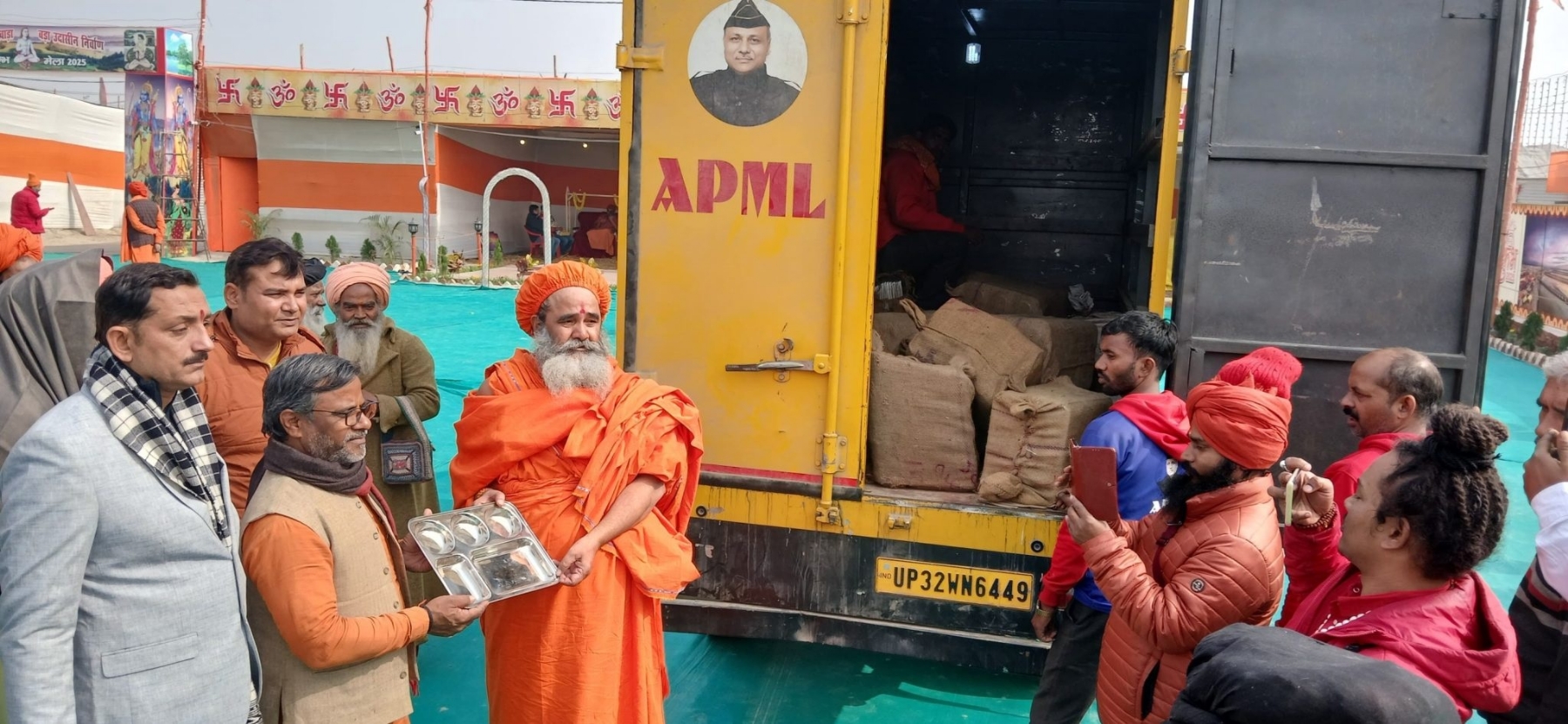
Prayagraj/New Delhi. Prayagraj Mahakumbh 2025 witnessed an unprecedented community-driven effort to reduce waste and promote sustainability through a large-scale Thali (Plate) and Thaila (Bag) Collection Campaign. The initiative, spanning across 43 states and involving thousands of organisations, played a crucial role in making the religious gathering more eco-friendly.
The campaign saw the collection of over 14.17 lakh plates, 13.46 lakh bags, and 2.63 lakh glasses, which were distributed during the grand event. More than 7,258 collection points and 2,241 participating organisations ensured the smooth execution of this initiative.
This effort was not just about numbers; it brought about significant environmental and economic benefits –
– Drastic reduction in disposable waste
The campaign led to an 80-85 per cent drop in the use of disposable plates and bowls (pattal-dona), significantly cutting down non-biodegradable waste.
The estimated waste generated was slashed from an expected 40,000 tons to a much lower figure, reducing the burden on sanitation workers and city waste management systems.
– Rs 140 crore savings on disposable items
By switching to reusable utensils, daily savings of Rs 3.5 crore were recorded, amounting to a total saving of Rs 140 crore over the 40-day event. This excludes additional savings on transportation, sanitation, and disposal efforts.
Community kitchens, Bhandaras, and Akharas benefitted immensely, saving lakhs of rupees that would have otherwise been spent on disposable utensils.
– 70 per cent reduction in food waste
Reusable plates ensured better portion control, leading to a 70 per cent drop in leftover food waste, a crucial step in addressing food wastage.
– Long-term sustainability impact
Steel plates distributed at the event will continue to be used for years, ensuring a lasting impact on waste reduction and cost savings beyond the Mahakumbh.
The campaign sparked a cultural shift towards sustainability, encouraging the concept of “Utensil Banks”- a model where communities contribute reusable utensils for large gatherings instead of relying on disposables.
– A zero-budget people’s movement
Perhaps the most remarkable aspect of the initiative was its execution without any allocated budget. The entire campaign relied on voluntary public participation, making it one of the largest crowd-sourced sustainability initiatives in recent times.
The success of this initiative demonstrates how community participation, environmental responsibility, and sustainable practices can go hand in hand to create a cleaner and greener future.